 A natural gas furnace may burn gas to create the heat sent into the home, but the furnace also uses electrical power to run. This is why your furnace won’t work during a power outage, and also why you may need heater repair in Madera, CA to repair electrical components in your furnace at times. In fact, electrical malfunctions are among the more common type of furnace problems. We’re looking at one of these major malfunctions today, which is a failed furnace control board.
Purl's Sheet Metal & Air Conditioning Blog: Posts Tagged ‘Heating System Repair’
The Failed Furnace Control Board: A Major Furnace Problem
Tuesday, December 15th, 2020Why Has My Gas Furnace Shut Down?
Tuesday, October 20th, 2020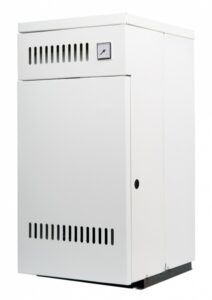 As we move toward the end of the year, furnaces will begin to come to life all over the Central Valley, and they’ll remain working steadily through the winter and into spring. At least, we hope they work steadily. A furnace failure can put a family in a bad position. Fortunately, you can always call us for furnace repair in Fresno, CA and throughout the Central Valley and we’ll get your furnace back in shape.
Below we’re going to look at some of the reasons your gas furnace may have shut off. Many of these are minor problems that you can correct yourself. Not repair yourself, however. These are basic troubleshooting steps. Please don’t open the furnace panel and try to tinker around inside. You probably won’t be able to fix the problem yourself and it’s potentially dangerous to try. You must leave all service on a gas furnace to licensed professionals.
How an HVAC Contractor Can Help You Lower Your Heating Bills
Monday, January 13th, 2020 You can find plenty of tips with an internet search on how to cut down your home heating bills. Many of these are common sense: “Wear warmer clothing and lower the thermostat” and “change the furnace filter every 1–3 months.” Good advice and easy for your household to do.
But the most effective methods of lowering winter heating costs, especially if those costs seem too high, is to work with an HVAC contractor in Fresno, CA. Our technicians have years of experience helping customers in the Central Valley enjoy better, less expensive comfort.
We’ve listed a few of the ways we can curb those heating bills with our services. The best method is to arrange for us to come to your house and look over your HVAC equipment. We’ll find what you need for more affordable heating.
Safety Tips for an Electric Furnace
Monday, February 11th, 2019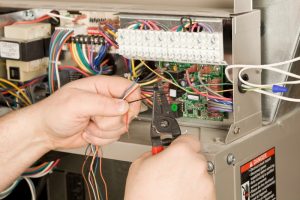 We’ve often talked about maintaining safety with gas furnaces, which is a topic that concerns many homeowners. But what about electric furnaces? Some homes must rely on this type of heater because they lack a connection to a gas main. Are electric furnaces much safer? Is there any reason to worry about them?
An electric furnace doesn’t pose any danger of toxic gas leaks the way a natural gas furnace might. However, electric furnaces are powerful electronic devices and can potentially start fires. Fortunately, this problem is easy to avoid if you take some basic steps.
Below are ways to make sure your electric furnace in Madera, CA keeps your family warm without putting them in danger.
Why Won’t the Furnace Evenly Heat My House?
Friday, December 21st, 2018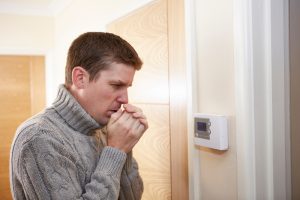 A furnace system must have more than heating power to provide comfort to a house. It also needs to be able to evenly distribute heat around the different rooms connected to the ducts. After all, a furnace without a working air handler to move air from the furnace cabinet and into the ductwork isn’t much good!
One of the more frequent problems homeowners have with a furnace is when the heater creates hot or cold spots around the rooms. The family room may feel stuffy when the thermostat is set at a moderately warm temperature, while one of the upstairs rooms is as warm as an ice-skating rink.
We have many years of experience installing, repairing, and maintaining furnaces in Madera, CA and throughout the Central Valley. We’ve handled numerous repair jobs to fix uneven heating issues. Below are some of the more common causes of this problem we’ve dealt with. You can trust us to have your uneven home heating remedied.
Heating Troubles That May Be the Fault of the Air Filter
Wednesday, January 31st, 2018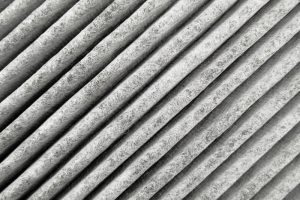 Modern heating systems are normally reliable, year after year, provided they receive a professional installation by licensed HVAC technicians and continue to have annual maintenance. But no system can ever be 100% reliable, and no amount of care can protect a heater from all malfunctions. At some point in your current heater’s service life, you may need to call for heating repair in Fresno, CA from our trained team.
One of the more common problems that affect forced-air systems (which include all types of furnace and heat pumps) is trouble with the air filter. This isn’t a filter for providing better indoor air quality, but the standard filter attached to the HVAC cabinet that stops dust and dirt from getting into the heater through the return air vents. An air filter clogs over time and must be replaced every 1 to 3 months so air can flow freely through the blower and heater.
If a clogged filter is left in place, it can lead to these heating problems:
Cracked Heat Exchanger: Do I Need a New Furnace?
Wednesday, January 3rd, 2018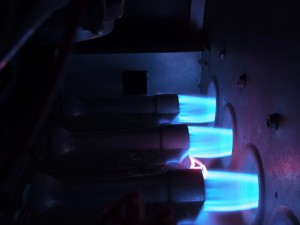 We’ve written before about the importance of having your furnace’s heat exchanger regularly checked by a professional. This is a part of our routine preventive maintenance program, the Ultimate Service Agreement, and it’s a vital inspection to make sure that a furnace operates as safely as possible. What our technicians look for when they examine a heat exchanger is signs of cracks along it or corrosion that can lead to those cracks. A cracked heat exchanger can allow toxic combustion gases to escape into the airflow moving into the rooms around a house—a dangerous situation!
Furnace owners often feel nervous when they learn their furnace may pose a safety risk. This leads to the question whether they should have the furnace repaired—which means replacing the heat exchanger—or instead have a new gas furnace installed.