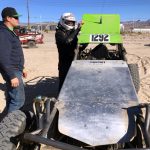
 Purl’s Sheet Metal & Air Conditioning is a sponsor for Davidson Racing in the 2017 McKenzie’s Rage at the River Race, which was held in Laughlin, NV, this past Dec 7–9. Several of our Purl’s Sheet Metal team participated in this off-road racing event as owners and drivers.
Racers, pit crews, and spectators packed the town for this off-road extravaganza. And it was the perfect sunny weekend for an off-road race! Over 300 entrants participated in the 12-mile tight racing course. The event included three days of racing, including qualifying, a fun run, and heat races. It was the perfect venue for SNORE (Southern Nevada Off-Road Enthusiasts) to wrap up their 2017 season of racing.
Davidson Racing closed off the weekend with Beans Davidson finishing 8th in Class 12 and Kurt Davidson Jr. finishing in the top 20 of his class of 50 entrants! The team is looking forward to their next race in February of 2018.
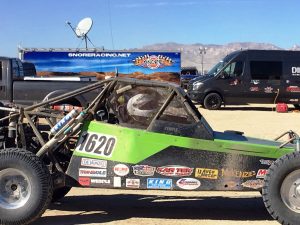
Purl’s Sheet Metal & Air Conditioning creates custom sheet metal for many local race teams in our Central Valley. We are proud to support all types of racing and helping our local teams bring to life their custom sheet metal designs and ideas.
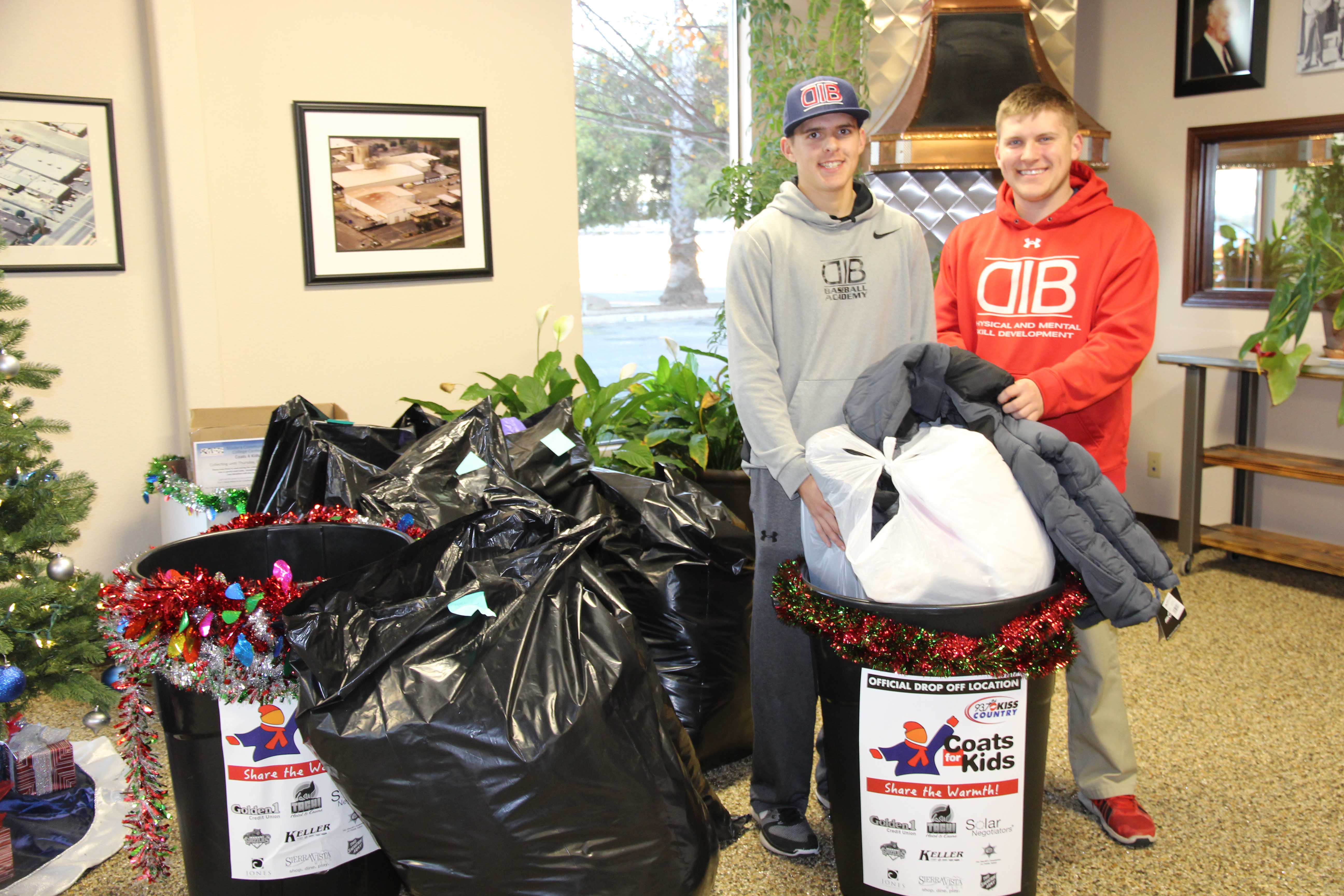 Purl’s Sheet Metal wrapped up our 2017 Coats for Kids drive with a total collection of over 240 coats. Coats were collected by our customers, employees, the kids at Lincoln Elementary School, and students at Madera Community College. We appreciate all the donations! We have customers come through our front door with an arm full of coats! This has been a very cold winter and every coat collected was desperately needed.
 We’ve written before about the importance of
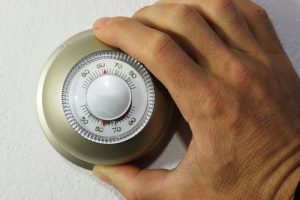 A long winter doesn’t have to be uncomfortable, as long as your home is outfitted with the ideal heating system, such as a powerful natural gas furnace. But too often people associate using the heater with paying extremely high winter utility bills. Chances are, though, that those heating bills are unnecessarily high and can be brought down with a few steps and precautions.
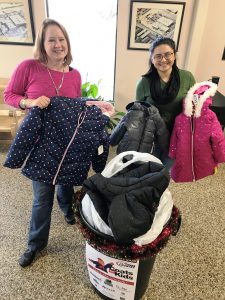 Start saving those winter coats from last year! Winter months are on the horizon and will be here soon. Don’t throw away any coats that are too small for your kids! We accept gently used or new coats and jackets. All donations stay in our own community and help children in our area.
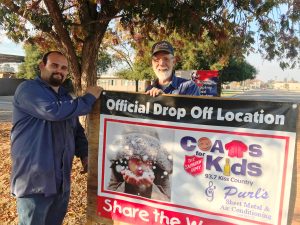 Help out needy kids in Madera CA by donating coats and jackets.
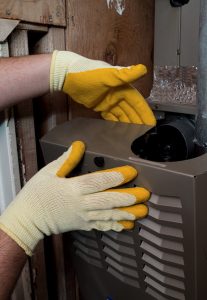 It looks like we’re going to enjoy a warm—or at least moderately cool—Thanksgiving here in the Central Valley. We can’t expect this to last, of course. By the end of December, the heating systems in our homes will be working regularly, and they’ll keep up their hard work through until April.
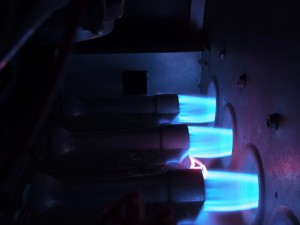
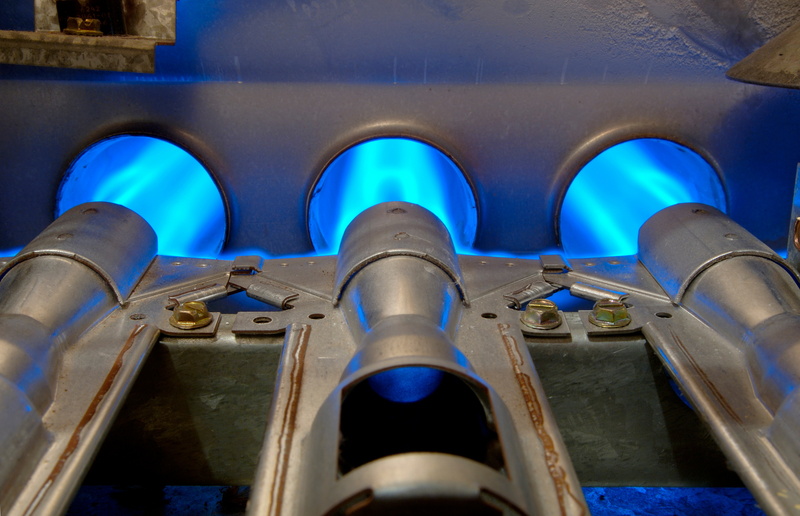 If you’ve had the same furnace in your home for many years, you’re probably accustomed to it having a pilot light. If you have newer furnace, or you’re planning on having one installed in the near future, it probably doesn’t use a pilot light at all. Instead, an electronic ignition system ignites the burners. In fact, you rarely see standing pilot lights on newly manufactured furnaces anymore. Why did this change happen? Let’s take a look.
  Although the official start of winter doesn’t arrive until the third week in December, the cooling in the Central Valley often sets in earlier. Right now, we are still experiencing warm days, but the nights are developing a chill. Once Daylight Savings time ends in November, we can anticipate a faster change in the temperatures to the colder side. Right now is the time to see that your HVAC system is prepared for the change in seasons. Here’s what you can do to help prepare it.
 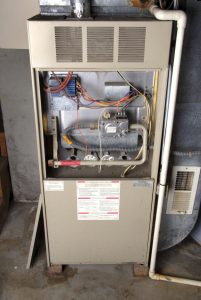 Are you looking into having a new heating system installed this fall? It’s a great season to schedule this kind of major HVAC job: you’ll be ready in time for the winter cold, and it’s easy to have it arranged with our installers at a convenient time.