 If you look at the home page of our website, you’ll see right under our name at the top of the page is our contractor’s license number: 463756. We have it displayed there because the license is what sets us apart from an amateur contractor. Each state has different requirements for licensing and regulation. Here in California, holding a license means a contractor has the necessary insurance and bonding required locally.
But what does this mean to you as a customer? Why should you turn to a contractor who has a license and insurance rather than to an amateur who offers low costs? One reason is the basic quality of the service you’ll get. But right now we’re going to look specifically at the importance of the license and insurance.
 As spring approaches, it’s a great time to give some thought to making an upgrade to your old HVAC system. If your heating and air conditioning system is more than 15 years old, or it has started to require more repairs while running up steeper utility bills, this is probably the year to have the system replaced—and with one that’s more efficient than your old system was even when it was new.
 Modern heating systems are normally reliable, year after year, provided they receive a professional installation by licensed HVAC technicians and continue to have annual maintenance. But no system can ever be 100% reliable, and no amount of care can protect a heater from all malfunctions. At some point in your current heater’s service life, you may need to call for
  When you set your furnace or other home heating system to come on, and then nothing happens, you’ll instantly know you have a problem. It might be a simple issue, like a tripped circuit breaker or clogged air filter. It could a more serious malfunction, and in that case you’ll need the assistance of HVAC professionals to inspect and repair your
  We’ve written before about the importance of
 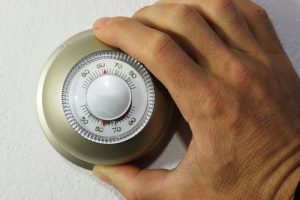 A long winter doesn’t have to be uncomfortable, as long as your home is outfitted with the ideal heating system, such as a powerful natural gas furnace. But too often people associate using the heater with paying extremely high winter utility bills. Chances are, though, that those heating bills are unnecessarily high and can be brought down with a few steps and precautions.
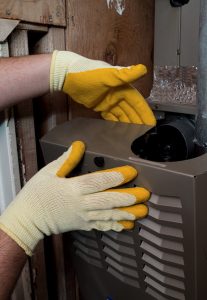 It looks like we’re going to enjoy a warm—or at least moderately cool—Thanksgiving here in the Central Valley. We can’t expect this to last, of course. By the end of December, the heating systems in our homes will be working regularly, and they’ll keep up their hard work through until April.
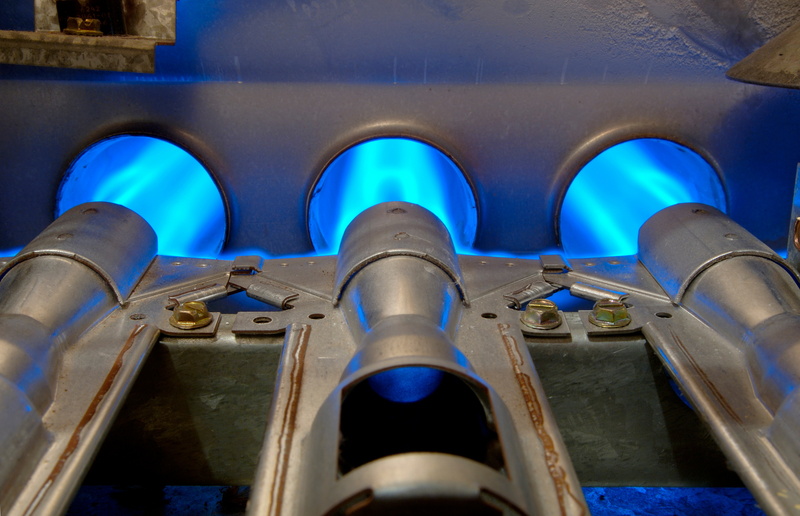 If you’ve had the same furnace in your home for many years, you’re probably accustomed to it having a pilot light. If you have newer furnace, or you’re planning on having one installed in the near future, it probably doesn’t use a pilot light at all. Instead, an electronic ignition system ignites the burners. In fact, you rarely see standing pilot lights on newly manufactured furnaces anymore. Why did this change happen? Let’s take a look.
  Although the official start of winter doesn’t arrive until the third week in December, the cooling in the Central Valley often sets in earlier. Right now, we are still experiencing warm days, but the nights are developing a chill. Once Daylight Savings time ends in November, we can anticipate a faster change in the temperatures to the colder side. Right now is the time to see that your HVAC system is prepared for the change in seasons. Here’s what you can do to help prepare it.
 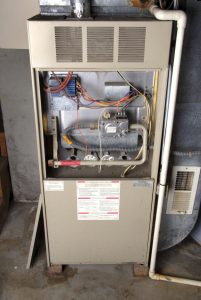 Are you looking into having a new heating system installed this fall? It’s a great season to schedule this kind of major HVAC job: you’ll be ready in time for the winter cold, and it’s easy to have it arranged with our installers at a convenient time.