
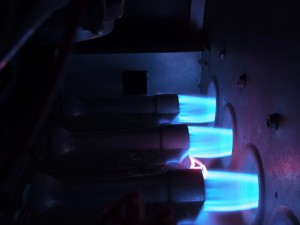
 One of the trickiest parts of navigating a new heating system installation for a house is figuring out energy efficiency ratings and what they mean. People want their heating systems to use less energy if possible, but they may not understand what the efficiency ratings mean and if it’s worth it to pay more to install a high-efficiency system. Understanding sealed combustion furnace design can also help clarify which systems offer better energy performance.
What’s the difference between AFUE ratings for gas vs. electric furnaces?
- Gas furnaces typically have AFUE ratings around 90% or higher, they lose some heat through exhaust
- Electric furnaces show 100% AFUE because all the electricity is converted into heat, with no exhaust losses
- But 100% AFUE doesn’t mean lower operating cost, electricity is often more expensive than natural gas, making electric units costlier to run in many regions
- Efficiency ratings don’t account for energy cost, so a lower AFUE gas furnace may still be cheaper to operate than a “perfect” electric one
Making the choice for a new central heating system is much easier when you have the assistance of our Madera, CA, HVAC experts. It’s our job to see you have the right heating system for your house, and we’ll assist you with figuring out efficiency ratings and all the other important factors that go into new system selection.
In this post, we’ll look at an example of where efficiency ratings can be confusing for homeowners, which is how the AFUE ratings for furnaces differ between gas and electric models.
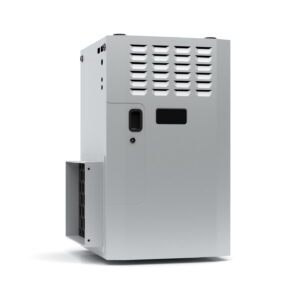 You may be in the middle of deciding on a new furnace installation for your home. Fall is the best time to have this job done. If you’re still on the fence about getting a new furnace, call our technicians for assistance. We’ll provide you with honest and straightforward answers about whether it’s time to send your current furnace to the scrapheap and put in a new one, or if repairs can keep a heating system working effectively and efficiently for a few more years.
 This question is one we can start to answer by first asking another question:
 When you move into a new home, usually the AC and the furnace were installed at the same time—and usually they’ll need to be replaced at the same time as well. In other cases, either the AC or furnace will run down before the other (air conditioning systems in general don’t last as long as either gas or electric furnaces), and you’ll arrange to have the older unit replaced.
 Spring is a great time of the year to make significant changes to a home’s HVAC system. Between the extreme cold of winter and the extreme heat of summer is a mild period when a house won’t need either its heating system or AC running, and HVAC technicians have more open schedules for convenient appointments.
 As spring approaches, it’s a great time to give some thought to making an upgrade to your old HVAC system. If your heating and air conditioning system is more than 15 years old, or it has started to require more repairs while running up steeper utility bills, this is probably the year to have the system replaced—and with one that’s more efficient than your old system was even when it was new.
 Temperatures are still warm and sometimes hot here in the Central Valley as we enter into the official beginning of fall.